

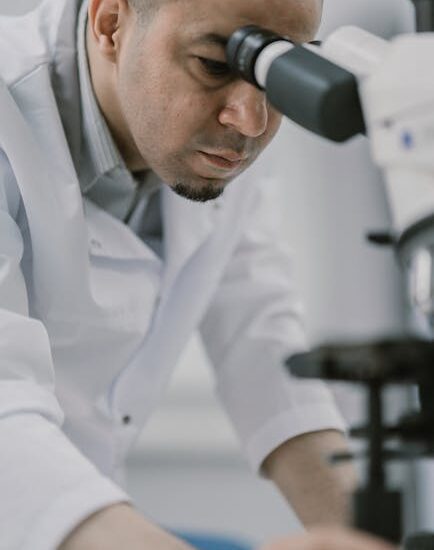
The biotech industry is experiencing a significant surge in growth and innovation, driven by recent advancements in genetics, genomics, and AI-powered research. Multiancestry and tissue-specific genetics are informing our understanding of complex diseases, such as type 2 diabetes, and revealing new insights into the etiology of these conditions. Furthermore, the gut microbiome has emerged as a key effector of metabolic disease gene variants, highlighting the complex interplay between genes, environment, and disease.
New Frontiers in Genetic Research
The study of complex genotype-phenotype relationships in neurodevelopmental disorders has led to a greater understanding of the intricate mechanisms underlying these conditions. Additionally, the concept of the dark genome has given rise to a new era of research, as scientists seek to illuminate the previously unexplored regions of the genome. Epigenetic decisions, made at the intersection of genetic and environmental factors, are also being reexamined, revealing new opportunities for intervention and therapy.
The emergence of AI-powered research tools, such as Amazon Bio Discovery, is accelerating the pace of discovery in the life sciences. This new platform, launched by AWS, is designed to streamline the research process, enabling scientists to analyze vast amounts of data and identify new patterns and connections. As a result, researchers are now better equipped to tackle complex biological questions and develop innovative solutions to pressing health challenges.
Biotech in the Community
The biotech industry is not only driving innovation in research, but also engaging with local communities and promoting education and outreach. Initiatives, such as the Toronto Life Sciences and Biotech Summit, are bringing together stakeholders from across the industry to share knowledge, ideas, and best practices. Moreover, programs like the one at Cumberland High School, where students are using biotech equipment at a local Amgen lab, are inspiring the next generation of scientists and researchers.
The quiet heroes behind local biotech breakthroughs are also gaining recognition, highlighting the importance of collaboration and partnership in driving progress. As the biotech industry continues to grow and evolve, it is likely that we will see even more innovative solutions and therapies emerge, transforming the lives of individuals and communities around the world.
Global Biotech Trends
Europe, in particular, is poised to become a major player in the global biotech industry, with world-class science and research institutions driving innovation and growth. However, the challenge remains to translate this scientific excellence into world-class scale, leveraging the region’s expertise and resources to develop and commercialize new products and therapies. As the biotech industry continues to expand and mature, it is likely that we will see new trends and opportunities emerge, from the application of genomics and gene editing to the development of personalized medicine and targeted therapies.
The gut microbiome, once again, is emerging as a key area of focus, with research revealing the complex relationships between the microbiome, genes, and environment. This new understanding has significant implications for the prevention and treatment of metabolic diseases, and is likely to drive the development of novel therapeutics and interventions. As we look to the future, it is clear that the biotech industry will continue to play a vital role in shaping our understanding of human health and disease, and in developing innovative solutions to some of the world’s most pressing challenges.
Conclusion and Future Directions
In conclusion, the biotech industry is undergoing a significant transformation, driven by advances in genetics, genomics, and AI-powered research. As we look to the future, it is likely that we will see even more innovative solutions and therapies emerge, from the application of genomics and gene editing to the development of personalized medicine and targeted therapies. The biotech industry will continue to play a vital role in shaping our understanding of human health and disease, and in developing innovative solutions to some of the world’s most pressing challenges. As we continue to push the boundaries of what is possible, we can expect to see new breakthroughs, new discoveries, and new opportunities emerge, transforming the lives of individuals and communities around the world.